
Summary
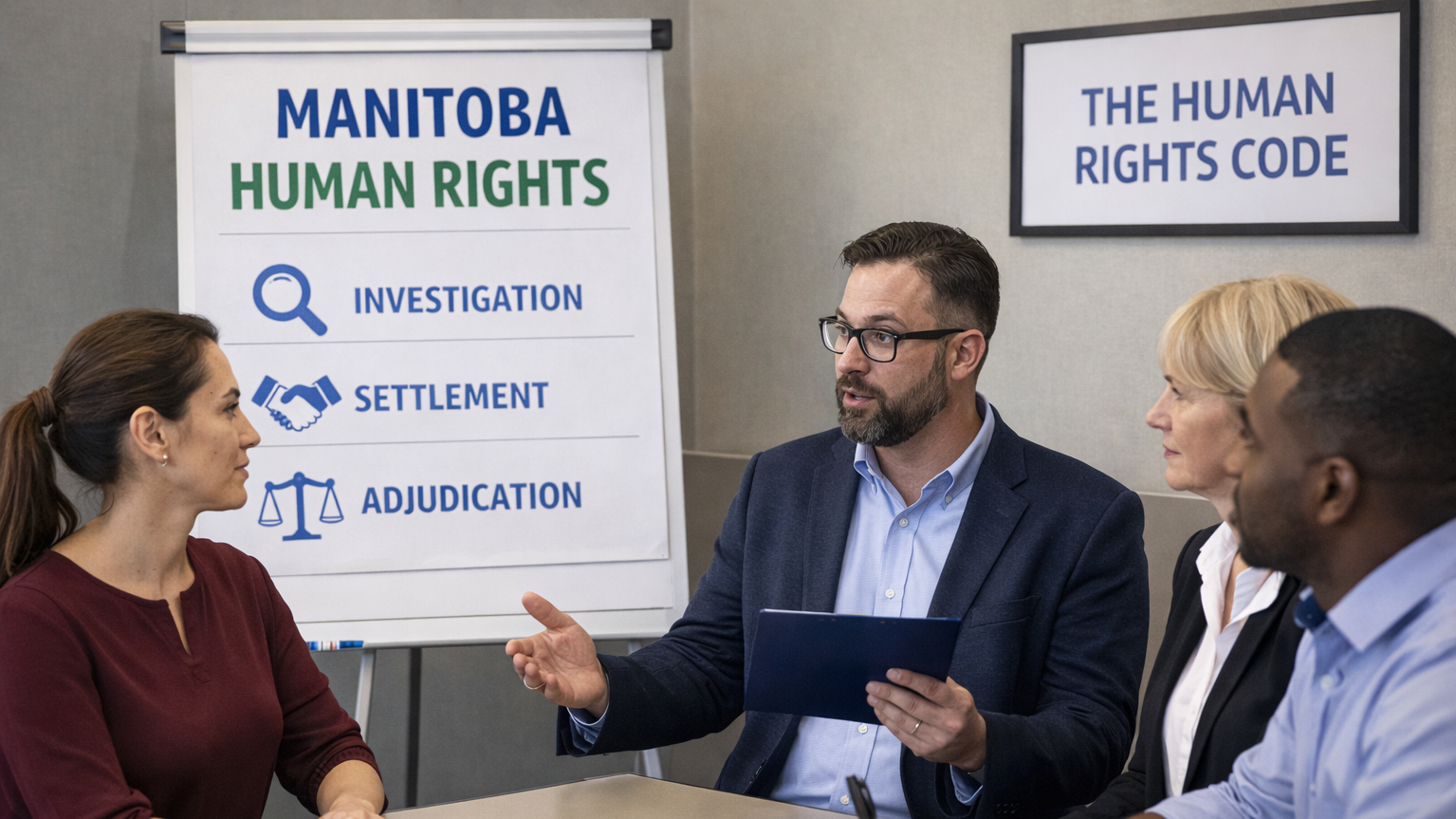
Manitoba announced on November 2, 2021, that changes to The Human Rights Code complaint process will take effect on January 1, 2022, with the goal of improving how complaints are managed and resolved. The amendments introduce clearer reporting, delegation, adjudication, settlement, and screening rules to help make the human rights system more structured and efficient.
Post
Manitoba has announced that changes to The Human Rights Code will take effect on January 1, 2022. The province says the goal is to help the Manitoba Human Rights Commission handle complaints in a more timely and structured way.
These updates do not create new protected grounds under the Code. Instead, they focus on how complaints are managed, reviewed, settled, and moved through the system. In practical terms, that means a more clearly defined process for complainants, respondents, and the Commission itself.
Some of the biggest changes include a formal annual reporting requirement, express delegation powers for the executive director, and new authority for the chief adjudicator to create rules of practice for adjudications. The amendments also create a more structured pre-hearing settlement process and broaden the ability to dismiss certain complaints without a full investigation in specified circumstances.
For Manitoba employers, organizations, and service providers, this is an important procedural update to watch. While the rights protected under the Code remain the same, the process for dealing with complaints is about to become more structured, with the changes taking effect on January 1, 2022.
References
Manitoba government news release, “Manitoba Proclaims Legislation to Promote Timely Resolution of Human Rights Complaints,” dated November 2, 2021.
The Human Rights Code Amendment Act, S.M. 2021, c. 27, assented to May 20, 2021.
Manitoba proclamation setting the in-force date of January 1, 2022, signed October 27, 2021.



Leave a Reply